
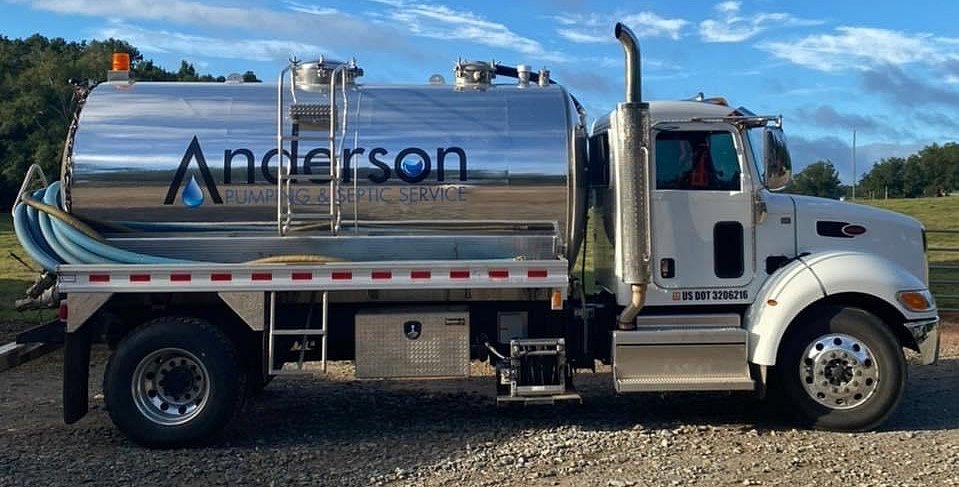
New septic system installation for residential and commercial properties throughout Northeast Georgia. From site evaluation and permitting to final inspection, Anderson Pumping & Septic Service manages the full process.
Done Right the First Time
Installation requires proper sizing, soil evaluation, and permitting. We handle every step correctly to avoid problems years down the road.
Sized for Your Property
We evaluate your household size, soil type, and lot to design a system that meets your actual needs — not just the minimum required.
A Long-Term Investment
A properly installed system serves a home for decades with routine maintenance. Getting it right upfront protects that investment.
Local, Licensed Installers
We've been installing septic systems in Northeast Georgia since 1969 and know the permitting requirements and soil conditions in this region.
How Septic Installation Works
A new septic system installation is more than digging a hole and dropping in a tank. It starts with a site evaluation and soil testing to determine what type of system your property can support. From there, a system is designed to meet state and county health department requirements, permitted, installed, and inspected before any soil goes back in the ground.
Anderson Pumping & Septic Service handles new installations for residential and commercial properties throughout Northeast Georgia. We manage the full process — from the initial soil evaluation through permitting, excavation, installation, and final inspection — so you have one experienced team responsible for the entire job.
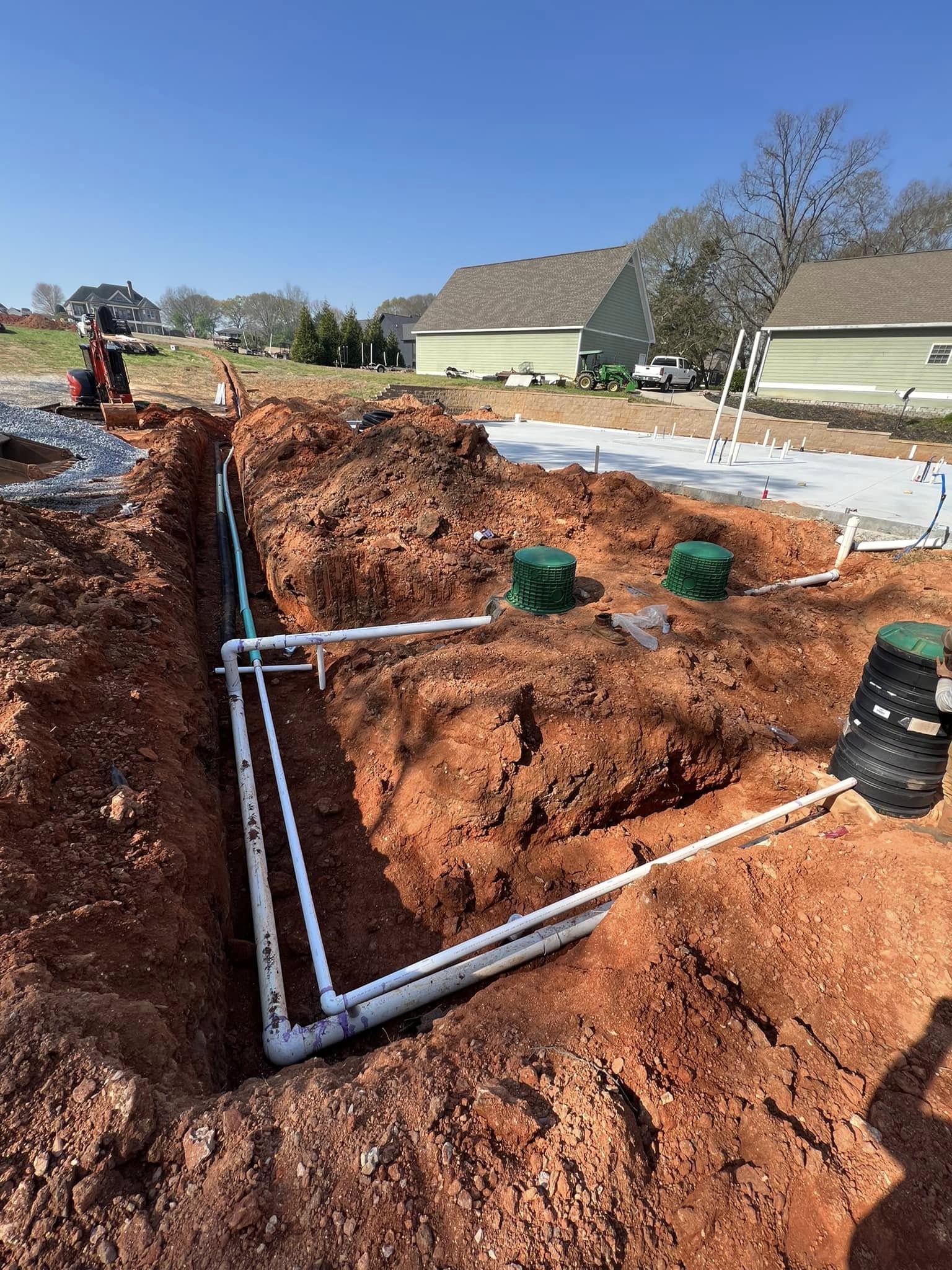
What We Handle
A complete septic installation covers several interconnected components. Here's what we take care of on every job.
Before any installation begins, we conduct a site evaluation to assess soil type, lot size, and required setbacks. Soil percolation and absorption tests determine what system type your property can support — and are required before a permit can be issued.
We help you select the right tank size for your household and install it correctly — properly bedded, level, and connected to your home or building plumbing. Tank sizing is based on bedroom count and expected daily flow.
We design and install the drain field — also called a leach field — according to county health department specifications and the results of your soil evaluation. Proper design and installation depth are critical to long-term performance.
The distribution box routes effluent evenly across all drain field lines. We install and level it precisely so each line receives equal flow — preventing premature failure from uneven loading.
We install the inlet line from your structure to the tank and the outlet line from the tank to the distribution box and drain field. All connections are made to code and inspected before backfill.
We install risers and access lids to bring service points near grade level, making future pumping and inspections straightforward. After the county inspection is complete, we backfill and restore the site.
When Conventional Isn't an Option
Not every lot can support a standard gravity drain field. Soil that's too dense or too shallow over bedrock, a high water table, or a lot too small for the required setbacks can all rule out a conventional system. Our soil evaluation identifies these conditions up front, before permitting begins.
When a conventional design won't work, we design and install an engineered alternative instead — sized to your soil and approved by the county health department.
Licensed System
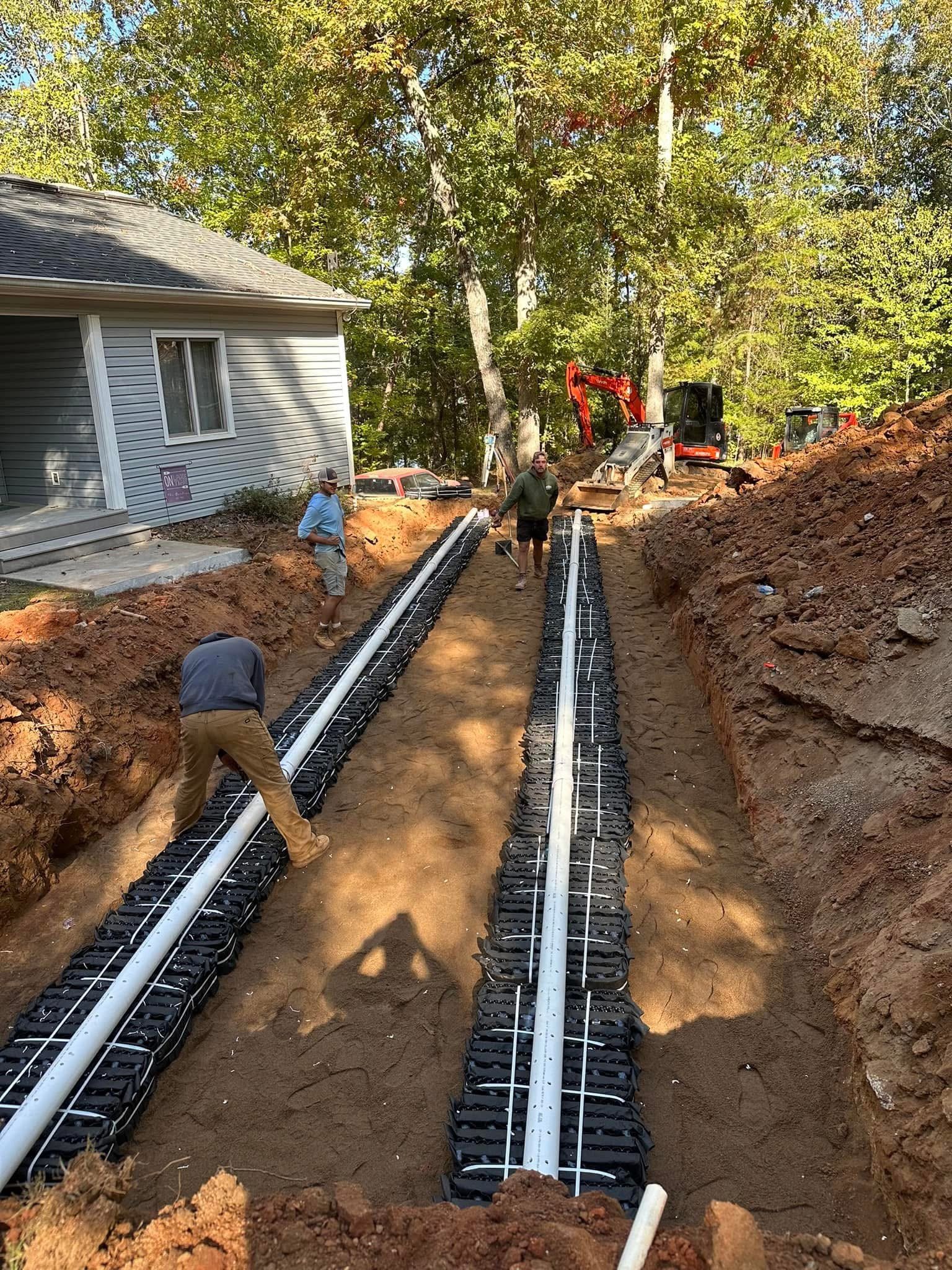
A gravelless, chamber-based drain field that treats and disperses effluent in a smaller footprint than a conventional field.
Best suited for
Licensed System
An advanced treatment system that pre-treats effluent before it reaches the drain field, easing the demands placed on marginal soil.
Best suited for
Our Process
A septic installation follows a defined sequence — soil testing, design, permitting, installation, and inspection. Here's what to expect at each stage.
We evaluate your lot, conduct the required soil testing, and submit your permit application to the county health department. No installation work begins until the permit is approved.
Based on your soil evaluation, property layout, and household size, we design a system that meets state and local requirements and is appropriately sized for long-term performance.
We excavate for the tank and drain field, install all components to specification, and make the connections to your structure. All work is done to county health department requirements.
After the county health department completes the required inspection and signs off on the system, we backfill and restore the site. You receive documentation of the approved installation.
Whether you're building a new home or replacing a failed system, Anderson Pumping Service can handle the evaluation, permitting, and installation from start to finish.
Common Questions
Answers to the questions we hear most from homeowners and builders planning a new septic installation in Northeast Georgia.
The timeline depends on how quickly permits are approved by your county health department and the complexity of your site. Once permits are in hand, most residential installations can be completed in one to two days. The permitting process itself can take anywhere from a few days to a few weeks depending on the county and current workload.
Yes. A permit from your county health department is required before any septic system can be installed in Georgia. The permit process includes a site evaluation, soil testing, and review of the proposed system design. We handle the permit application on your behalf.
In Georgia, septic system sizing is based primarily on the number of bedrooms in your home, which is used as a proxy for daily wastewater flow. Soil type and absorption capacity also factor into the design. We conduct the required evaluation and recommend the appropriate tank size and drain field dimensions.
Not every lot can support a conventional septic system. Soil that is too dense, too shallow over bedrock, or too close to the water table may require an alternative system design — such as a mound system or an engineered alternative. In some cases, a lot may not be permittable for a septic system at all. The soil evaluation determines what's feasible on your specific property.
A properly designed and installed septic system that receives regular pumping and maintenance can last 25 to 40 years or more. The drain field is typically the first component to reach the end of its service life. Avoiding non-biodegradable flushables, excess water use, and surface loading over the drain field will extend system life considerably.
A conventional system uses gravity to move effluent from the tank through a distribution box and into a gravel-and-pipe or chamber drain field. Alternative systems are used when soil conditions, lot size, or setback requirements make a conventional system impractical. Examples include mound systems, drip irrigation systems, and aerobic treatment units. We can explain which options are viable for your property after conducting a soil evaluation.
Yes, in most cases. Installation work happens outside, and water use inside the home is typically unrestricted until we need to make the final connection. We'll let you know if there are any brief periods when water use should be paused.
We serve Hart County, Elbert County, Franklin County, Madison County, Oglethorpe County, and surrounding areas throughout Northeast Georgia. We've been based in Hartwell since 1969 and have extensive experience with the soil conditions, permitting offices, and health department requirements across this region.
Why Anderson Pumping?
55+ Years of Experience
Family-owned and operated since 1969, we've built our reputation on honest work and dependable service across Northeast Georgia.
Licensed & Certified
Our team is fully licensed in Georgia, including advanced certification in Eljen GSF and Presby Environmental alternative systems.
Local & Trusted
We live in the communities we serve — Hart, Elbert, and Franklin County. Your neighbors have counted on us for generations.
Honest Pricing
No surprise fees or upsells. We diagnose the problem, explain your options clearly, and give you a fair quote upfront.
Licenses & Certifications
1969
Serving Northeast Georgia for over 55 years
Where We Serve
Based in Hartwell, we serve Hart County and surrounding counties throughout NE Georgia. Not sure if we cover your area? Give us a call.
Hart County, GA
Hartwell, Bowersville
Elbert County, GA
Elberton, Bowman
Franklin County, GA
Royston, Lavonia, Franklin Springs, Carnesville, Canon, Avalon
Madison County, GA
Comer, Danielsville, Colbert, Ila, Carlton, Hull
Oglethorpe County, GA
Lexington, Crawford, Arnoldsville, Maxeys
Clarke County, GA
Athens, Winterville
From the initial soil evaluation through the final county inspection, Anderson Pumping & Septic Service manages every step of your new system installation.